
Signs Your Business Is Ready For A New Website
Why a website refresh is a business decision not a vanity project
A website is not just a digital brochure. It is your twenty four seven storefront sales assistant and reputation engine rolled into one. When it underperforms you feel it in softer pipelines rising ad costs and a steady drip of lost opportunities. Many owners sense the problem but hesitate because they fear starting a long expensive process that derails other work. The right way to decide is simple. Look for clear business signals that the site no longer matches your market your message or your goals. Those signals hide in analytics in customer feedback in the daily realities of your team and in the way competitors engage shared audiences. When those signals line up a refresh is not vanity at all. It is a performance decision that safeguards revenue and prepares you for the next stage of growth. This guide walks through the most reliable signs that you are ready and shows how to separate surface level complaints from root causes. You will see how to evaluate performance and experience on phones and laptops how to check content and search visibility how to gauge platform constraints and risk and how to map options from light refresh to full rebuild. The goal is a calm confident decision driven by evidence not by internal opinions or the latest design trend. If you recognize several of the patterns described here that is your cue to plan change with intention so the next version of your site becomes a compounding asset instead of another patch over deeper issues.
Declining performance signals what your data is telling you

Performance rarely collapses overnight. It slips in small ways that add up to missed targets. Start with your conversion rate for the actions that matter most such as qualified forms booked calls or completed checkouts. Compare the last three months to the same period last year to remove seasonality. If traffic is stable but conversion drops your site experience or message is weakening. If traffic rises but conversions stay flat you may be attracting the wrong audience or presenting the right audience with friction at key steps. Inspect sources. Paid search or social might bring visitors who bounce quickly while branded search and direct return better results. That gap points to mismatched expectations set by ads and by page content. Look closely at device breakdowns. Many sites perform acceptably on desktop but fail on common phones where real customers live. A fall in mobile conversion with stable desktop numbers is a strong signal that your mobile experience needs work. Study funnel steps too. If add to cart remains healthy but checkout completion slips the issue is in payment delivery details or trust. If form starts are healthy but submissions lag the problem is form complexity or the offer itself. Numbers are signals not judgments. They invite you to test improvements and they help you decide when incremental tweaks are not enough. When multiple metrics turn south or stall for months despite focused efforts you are not looking at isolated friction. You are looking at a system that needs a new foundation.
Traffic quality and conversion rate trends that flag deeper issues
Quality beats quantity. If you chase raw visits you can hide a serious problem for months. Evaluate sessions by landing page and intent. Visitors who arrive on educational content and never see a service page are unlikely to convert now. That is fine if you have a nurturing plan. It is not fine if your business relies on near term leads. Map the journey from your top landing pages to your core actions. If the path requires too many steps or offers no clear next move people simply leave. Cross check with creative and messaging in your campaigns. If an ad promises fast delivery but your product pages bury shipping terms visitors feel tricked and bounce. Social proof timing matters too. A page without visible proof near the moment of decision creates hesitation that your analytics will record as exits. Watch the trend line over at least three months. A gentle downward slope is easy to ignore until quarter end numbers force a reaction. Add annotations when you make changes so you can connect cause and effect. If conversion declines continue across sources devices and major pages you are dealing with a brand and experience mismatch that a new coat of paint will not fix. That is when you move from fixing fragments to planning a cohesive refresh with clearer value stronger proof and faster paths to action.
Bounce rate time on page and path analysis that reveal friction
Bounce rate alone can mislead but paired with time on page and next page flow it tells a clear story. A high bounce on the home page with short time suggests your promise is unclear or the above the fold layout hides the next step. A high bounce on a blog article with long time may simply mean the reader got the answer and left. That is fine if the page links to relevant offers that some readers choose. Use path analysis to see where people go next. If many visitors arrive on product or service pages and then jump back to search you have not answered key questions on that page. Typical missing pieces are delivery timing price clarity comparison guidance and proof that feels real. Review recordings of sessions on critical templates to watch where people hesitate or scroll in circles. These patterns reveal where copy structure and component placement need attention. If you find friction in many places across the site that is a sign of a deeper structural issue. When the skeleton is wrong changing small muscles will not give you a strong stride. A fresh information architecture and design system may be the right call.
Brand evolution your site no longer reflects who you are
Brands do not stand still. Your market shifts your offer matures your tone becomes more confident and your best customers change how they talk about their wins. If your site still speaks in the voice of last year it will feel off to people meeting you for the first time. Start by reading your home page and top service pages aloud. Do they sound like how you introduce the business in a pitch or a call. Does the imagery showcase current clients and current work. Do the case studies describe outcomes that represent the deals you want more of. If the answer is no your website is creating dissonance between marketing and sales. This mismatch slows buying decisions because visitors cannot connect the story online with what they hear from your team. It also confuses referrals who arrive expecting one thing and see another. When your brand and site part ways ask whether a targeted refresh can realign copy and visuals or whether the underlying templates limit how you can tell the story. If old structures force cramped messaging and generic layouts the better answer is a redesign that respects your new positioning with space for proof detail and clear offers that match how you now win business.
Visual identity and messaging gaps that confuse buyers
Visual cues communicate quality and confidence before a visitor reads a word. Outdated type heavy color combinations and stock imagery that looks staged can make a modern company feel behind the curve. At the same time slick visuals without substance can feel hollow. Audit the first view of your key pages on a phone. Does the hero section state a sharp promise supported by a crisp subhead. Are buttons clear and inviting. Do you show real client logos or recent work right away. Next scan the page for rhythm. Strong subheads short paragraphs and purposeful visuals keep attention. When pages rely on long unbroken text or scattered modules with no narrative buyers lose the thread and leave. Messaging gaps often show up as missing objections. If your buyers worry about setup time data migration training or returns and your page does not speak to those topics they will go elsewhere to find reassurance. List the five questions sales hears most and place honest concise answers near each call to action. When you cannot place these elements cleanly because templates are rigid your site will continue to confuse. That is the moment to rebuild with flexible components that allow your message to breathe.
Offer changes new products or services missing from the site
A site that hides your best offer is a silent tax on growth. Review your menu and top level sections. Do they match what you actually sell today. Many businesses add new services or refine packages without updating navigation structure and content. The result is an information scent that takes visitors to old priorities while new revenue drivers sit buried. Update the sitemap to reflect current focus. If your offer architecture changed from custom projects to productized packages do not leave that story for the proposal stage. Explain it clearly on the site with transparent inclusions expected timelines and common add ons. For stores confirm that new categories and bundles are visible and that filtering supports how customers compare options. If your platform or theme makes simple changes feel heavy and slow you are dealing with a tool problem as well as a content problem. Modernize the stack so your team can evolve the site with the business instead of lagging months behind market reality.
Mobile experience pain customers struggle on phones
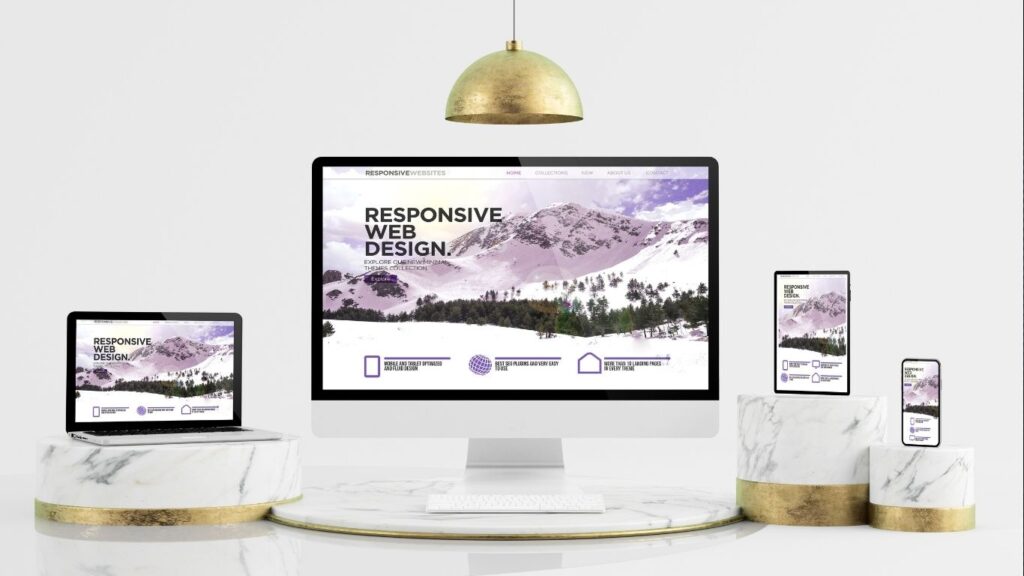
Most visitors arrive on a phone even in business to business segments. If your site treats mobile as an afterthought you are telling the majority of your audience to work harder than they should. Do a simple test. On a mid range phone with an average connection, navigate your home page a service or product page and your primary conversion path. Time how long it takes to complete the task. Count how many taps and how much scrolling it requires. Notice where the layout jumps when images load or banners appear. If the experience feels slow cramped or confusing your customers feel that too. Navigation should present obvious choices without nested puzzles. Tap targets should be generous. Important sections should not be hidden beneath heavy media or oversized headers. Forms should support auto fill and show clear error messages in place not after a full page reload. When several of these mobile fundamentals fail at once a new site built with mobile first patterns will often deliver immediate gains in conversion and satisfaction.
Navigation and tap targets that do not respect real thumbs
Big ideas fail when buttons are small. Evaluate your menu the same way a hurried visitor would. The top level should cover the primary reasons people come to you, not an internal map of teams or departments. On mobile the menu must open quickly stay stable as content loads and provide clear close behavior. Each item should be easy to tap with one hand. Secondary actions like contact and pricing should be visible without hunting. Inside pages place calls to action at natural break points and ensure the repeated button stays within easy reach as the user scrolls. Avoid tiny icons without labels and avoid links embedded in dense paragraphs. The hand test is honest. If you cannot complete a task while holding a cup of coffee in the other hand your tap targets and layout need work. Redesigning these fundamentals often requires new components and spacing rules which is a strong case for a structured refresh rather than isolated tweaks.
Speed and stability challenges on typical mobile networks
Speed builds trust before a visitor reads a single line. On real networks many pages still feel sluggish. The main causes are oversized images render blocking scripts slow third party tags and layouts that shift as assets arrive. You can find quick wins by compressing images using modern formats lazy loading media below the fold and deferring non essential scripts. Yet if your site was built without performance budgets and continues to add weight with each update you will hit a ceiling where band aid fixes no longer help. Watch your core metrics over time. If largest contentful paint and layout shift remain outside healthy ranges after repeated work and if interaction delays are common on mid tier phones the honest solution is a rebuild with a performance first approach. This change does not just improve scores. It makes every visit feel effortless and that feeling directly supports conversion and brand perception.
Content problems your story is hard to find or out of date
Content sells when it is organized around the questions buyers actually ask. If your site leads with generic promises and hides details behind menus or dense downloads people will return to search and click a competitor who answers plainly. Start with a content inventory. For each important topic identify the best single page a visitor should see. If the answer is spread across several thin pages that repeat themselves you are diluting authority and confusing the reader. Consolidate into one complete guide and support it with specific articles that answer narrow questions. Check dates on statistics and case studies. Old numbers signal neglect even when your service is strong. Finally assess tone. Friendly clarity beats buzzwords. Write like a person not a press release. When your content strategy needs this level of surgery there is usually a structural issue too. New templates that support scannable layouts with space for proof and clear prompts will help your words land and keep people moving toward action.
Thin pages duplicated topics and gaps in buyer intent coverage
A common sign of a tired site is a long list of short pages that fail to answer anything fully. These thin pages arise from years of quick additions with no editorial plan. They compete with each other for the same terms and none of them win. Group related topics into clusters with one authoritative pillar page and several supportive pages that dive into specifics. Map these clusters to stages of the buyer journey. Give problem aware readers honest education, give comparing readers clear distinctions and proof, and give ready to buy readers confidence and next steps. Remove duplicated articles and redirect them into the best version. This tidy structure helps humans find answers without bouncing and helps search engines understand the depth of your expertise. If your current templates make it hard to present rich content cleanly then structural change becomes part of the solution, not just new copy.
Proof missing reviews case studies and social validation
Buyers look for evidence that your claims are real. If your site lacks recent testimonials named clients quantified results and recognizable logos you will struggle to close the gap between interest and action. Collect short quotes that cite outcomes, publish case studies with before and after context, and display review scores where available. Place proof close to calls to action instead of hiding it on a separate page. Include trust badges that actually mean something such as certifications security guarantees or warranty terms. If your platform does not let you place these elements elegantly in the flow you need flexible components and a refreshed design system. Proof presented well is not decoration. It is the bridge between curiosity and commitment.
