
Why Every Small Business in SA Needs a Professional Website
Let’s be real if your small business in South Africa doesn’t have a website in 2025, you’re basically invisible. Gone are the days when word of mouth or flyers at the local market were enough to bring in customers. Today, your first impression is made online.
A professional website isn’t just a nice-to-haveit’s your digital storefront, marketing hub, customer service assistant, and sales machine rolled into one. Whether you’re a plumber in Polokwane, a beauty salon in Johannesburg, or a boutique in Cape Town, your potential customers are searching online first. And if they don’t find you there, they’ll find someone else.
In this guide, we’ll break down exactly why having a professional website is non-negotiable for small businesses in South Africa. From increasing visibility to boosting sales and building trust, we’re covering every reason you should prioritize a website today.
1. The Digital Landscape in South Africa
Internet Penetration and Consumer Behavior
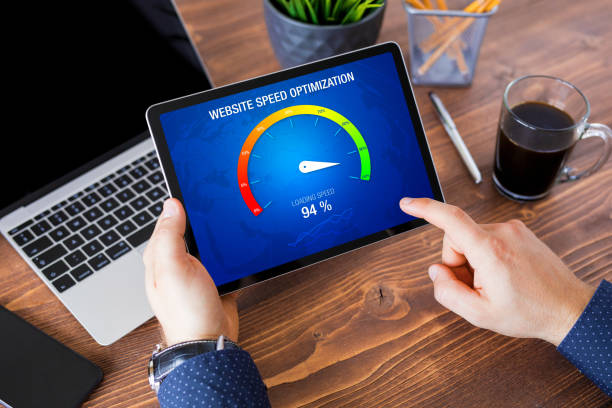
South Africa’s digital usage is skyrocketing. With over 70% of the population using the internet regularly, your customers are not just browsing they’re researching, comparing, and buying online. According to recent studies, more than 60% of South African consumers look up a business online before visiting or purchasing.
This shift means your website isn’t just a platform it’s your first handshake with a potential customer. Whether you’re a bakery in Durban or a cleaning service in Bloemfontein, your online presence is how most customers decide if they’ll ever reach out to you.
Mobile-First Nation
What’s even more interesting? Most South Africans use their smartphones to browse the internet. That means your site not only needs to exist it needs to be mobile-friendly, fast, and easy to navigate.
If your business doesn’t have a website or worse, has one that looks outdated or isn’t responsive you’re not just missing out on leads. You’re actively driving them to your competitors who offer a smoother online experience.
2. First Impressions Matter
Your Website Is Your Digital Shopfront
Imagine walking into a messy store with broken signs, flickering lights, and no one to greet you. You’d probably walk right back out, right?
That’s exactly how users feel when they land on a poorly designed or outdated website. A professional website ensures that every visitor gets a clean, polished, and welcoming first impression even at 2 a.m.
Think of your website as the digital version of your storefront. It tells people:
-
What you offer
-
Who you are
-
Why they should trust you
-
How to get in touch with you
And unlike a physical shop, it’s open 24/7, rain or shine.
Design Reflects Credibility
Studies show that users judge a business’s credibility based on their website in just 0.05 seconds. That’s less than the blink of an eye. If your site is cluttered, slow, or hard to read, people will question your professionalism even if you offer the best service in town.
A well designed website gives you authority. It says:
-
“We’re serious about what we do.”
-
“We care about your experience.”
-
“You can trust us with your money and time.”
In South Africa’s competitive market, where trust is everything, that kind of digital credibility is priceless.
3. 24/7 Availability and Customer Access
Never Miss a Lead
One of the biggest perks of having a professional website? You’re always open for business even when you’re not.
Customers don’t follow a 9-to-5 schedule. They’re browsing during lunch breaks, after work, or even late at night. With a website:
-
They can learn about your services or products
-
They can submit contact forms
-
They can make purchases or bookings
All without having to call or visit you in person.
You might be asleep, but your website is out there closing deals and answering questions.
Automating Customer Interactions
Modern websites go beyond just displaying info. With features like:
-
Live chatbots
-
Automated contact forms
-
FAQ sections
-
Online appointment scheduling
You can turn your website into a self-service hub for your customers. No more endless phone calls or back-and-forth emails.
In South Africa, where load shedding, long commutes, and unreliable phone lines can be barriers, giving customers a convenient way to interact with your business online is a huge advantage.
4. Boosting Local SEO and Google Visibility
Getting Found in “Near Me” Searches
Searches like “barber near me” or “best cake shop in Cape Town” are exploding in South Africa. If you want to show up in those search results, you need a website that’s:
-
Search-engine optimized (SEO)
-
Linked to your Google Business Profile
-
Built with local keywords in mind
Local SEO ensures that when someone searches for your product or service in your area, your business shows up first not your competitor’s.
And it works. Local searches lead to a purchase within 24 hours 78% of the time, according to recent studies.
Google Business Profile Integration
If your site is integrated with your Google Business Profile, it not only boosts your SEO it also shows up in map results, gets reviews displayed, and provides instant access to your contact info.
Plus, you can connect your website to:
-
Google Ads for targeted marketing
-
Google Analytics for performance tracking
-
Google Search Console to monitor search traffic
This kind of integration is a massive edge over businesses that are still stuck with just a Facebook page.
5. Competing with Larger Brands
Leveling the Playing Field
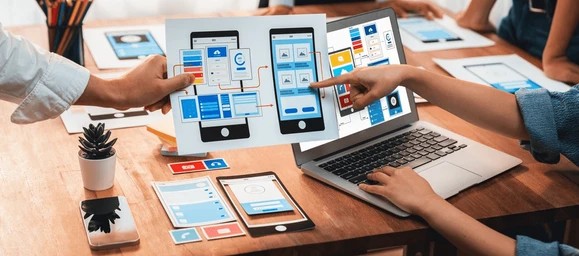
Here’s some good news: a well-designed website can make a small business look just as polished and trustworthy as a big company.
With the right design, messaging, and functionality, you can compete toe-to-toe with national or even global brands especially when it comes to local markets.
You don’t need a huge budget. You need:
-
A clean, professional layout
-
Clear value propositions
-
Local relevance
That’s how you win online.
Niching Down Through Content
Unlike big corporations, you have the freedom to be personal, authentic, and hyper-targeted. A blog on your site allows you to write content like:
-
“How to Choose the Right Hairdresser in Pretoria”
-
“The Best Ways to Save on Home Repairs in Johannesburg”
These articles don’t just build trust they boost SEO and drive targeted traffic.
You’re not just building a website. You’re building a local brand with reach and authority far beyond your physical location.
6. Building Trust and Brand Authority
Testimonials and Social Proof
Trust is everything especially in the South African market, where word of mouth and reputation carry significant weight. A professional website gives you a platform to showcase testimonials, case studies, client reviews, and trust signals.
Why does this matter?
-
New visitors trust other customers more than your pitch.
-
Displaying reviews directly on your site keeps people engaged.
-
Featuring brands you’ve worked with adds credibility instantly.
You can also link reviews from Google, HelloPeter, or Facebook, providing real-time social proof that reassures potential clients. For small businesses, this is one of the most powerful ways to overcome skepticism especially when you’re just starting out.
Professional Design vs DIY
A well designed website screams professionalism. On the other hand, a clunky DIY site can instantly turn people off.
Visitors are making split-second decisions:
-
Can I trust this business?
-
Will they deliver what they promise?
-
Are they legit?
Your design answers those questions before they even scroll.
Here’s the truth: your customers are comparing your site to others in your niche. If your competitor’s site looks sleek, responsive, and trustworthy, and yours looks like it was made in 2012, they’ve already won.
A professional site is an investment in your brand image, and one that pays dividends over time.
7. Enabling Online Sales and Bookings
E-commerce for Physical Products
With platforms like Shopify, WooCommerce, and Ecwid now fully supported in South Africa, even small businesses can sell online with minimal setup costs. From fashion boutiques in Sandton to bakeries in PE, local businesses are embracing e-commerce to:
-
Reach customers across the country
-
Accept online payments securely (via PayFast, Yoco, etc.)
-
Manage inventory and fulfillment seamlessly
Your website becomes your 24/7 salesperson no need for a physical shop, rent, or staff during off hours.
And with SA’s growing preference for online shopping, not offering products online is a missed opportunity.
Service-Based Businesses Booking Online
Not selling physical products? Doesn’t matter. Service-based businesses benefit just as much from website booking functionality.
Think:
-
Hair salons allowing clients to book appointments online
-
Tutors offering time slots for virtual lessons
-
Plumbers or electricians accepting service calls via form or calendar
Customers don’t want to call and wait. They want to click, book, and move on. A professional website can offer:
-
Calendars with real-time availability
-
Automated appointment reminders
-
Integrated payments or deposits
This kind of automation saves you time while offering a frictionless customer experience something your competitors may not be doing.
8. Cost-Effective Marketing Channel
Inbound Marketing Opportunities
Your website is a marketing machine. Through strategic content, SEO, and email capture tools, you can attract leads and convert them into customers without spending a cent on ads.
For example, a well-optimized blog post like:
-
“Top 5 Web Designers in Pretoria”
-
“How to Build a Shopify Store in SA”
Can rank on Google, bring in organic traffic, and convert visitors all automatically.
You can also use your website to:
-
Build an email list via popups or forms
-
Drive traffic through social media campaigns
-
Offer lead magnets like free consultations or downloads
These are cost-effective marketing tactics that continue working long after the initial setup.
Long-Term ROI
Paid ads stop when the budget ends. But your website keeps working. That’s the beauty of investing in a professional site—it becomes an appreciating asset.
With time and the right SEO strategy:
-
Your pages gain authority
-
Your rankings improve
-
Your traffic grows
-
Your lead quality increases
For South African small businesses, that means spending less on advertising and making more from organic traffic month after month.
9. Gathering Customer Insights
Analytics and Tracking Tools
Your website gives you access to invaluable data:
-
Where are your visitors coming from?
-
What are they clicking on?
-
Which services are they most interested in?
-
What devices are they using?
Using tools like Google Analytics, Hotjar, and Facebook Pixel, you can track user behavior, analyze performance, and fine-tune your offerings.
Without a website, you’re flying blind. With a website, you’re making data-backed decisions.
Adapting Your Offerings
Let’s say you run a hair salon and your analytics show that 80% of your bookings are for bridal packages. That insight can help you:
-
Create targeted blog content for bridal trends
-
Build a landing page just for wedding packages
-
Run a seasonal promotion or Facebook ad focused on weddings
Without a website and proper tracking, you’d never know where the demand lies or how to grow it. That’s why even the smallest local businesses in SA benefit massively from having data at their fingertips.
10. Scalability and Business Growth
Adding Features as You Grow
A professional website is built for growth. As your business expands, your site can grow with you.
You can:
-
Add a blog to boost SEO
-
Integrate e-commerce for new product lines
-
Offer courses, memberships, or downloads
-
Launch location-specific landing pages
Everything is modular. Start small, grow big.
Keeping It Future-Ready
Web development tools in 2025 allow you to stay ahead of the curve. Your site can adapt to:
-
Voice search
-
AI integration
-
Mobile updates
-
User behavior shifts
And with platforms like WordPress, Webflow, or Shopify, you’re not locked into outdated systems. You’re building on a foundation designed to evolve which means you’ll always stay relevant, competitive, and in control.
Let’s wrap it up. If you’re a small business in South Africa and still don’t have a professional website, you’re missing out on visibility, trust, and sales.
In 2025, customers expect businesses to be online and not just anywhere, but with a site that’s fast, mobile friendly, and professional. It’s no longer about “being online” it’s about showing up the right way.
The good news? It’s never been easier or more affordable to get a professional website built quickly, affordably, and tailored to your exact needs. Whether you’re selling products, offering services, or just trying to make a name for yourself, your website is your most powerful business asset.
Ready to build one? Let’s go.
